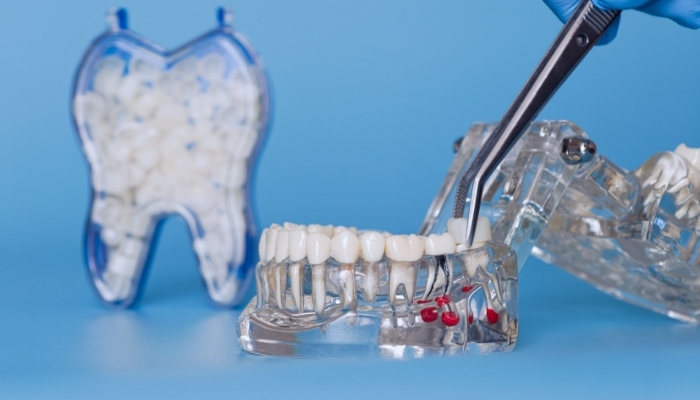
A dry mouth, also known as xerostomia, affects countless people and is a troublesome condition that involves more than just discomfort. A shortage of saliva in the mouth can lead to various oral health problems, including tooth decay, gum disease and even infections. This article, supported by Dental House Zierikzee, looks at the important aspects of dry mouth, including the causes, consequences and available treatment options for improving quality of life.
The causes of dry mouth
Saliva plays a crucial role in oral health: it helps digest food, protects against decay by neutralising acids, and provides a natural defence against microbes. When saliva production decreases, the lining of the mouth becomes vulnerable to damage and infection, and the patient's comfort can decline significantly. Saliva production can be reduced by the following factors:
• Medication:
Many medications, including those for high blood pressure and depression, can reduce saliva production as a side effect.
• Conditions:
Conditions such as Sjögren's syndrome or diabetes can cause dry mouth.
• Radiotherapy:
Treatments for cancer in the head and neck area can damage the salivary glands, resulting in prolonged or permanent dry mouth.
The consequences of untreated dry mouth
Without adequate treatment, a dry mouth can lead to serious oral health problems. Patients may develop tooth decay, gum disease and even fungal infections. Wearing a denture can also become uncomfortable, because a lack of saliva makes it harder for the denture to stay in place. Everyday activities such as eating, swallowing and speaking can become challenging as a result.
Treatment strategies for dry mouth
At Dental House Zierikzee we approach dry mouth with a range of treatments and lifestyle adjustments, depending on the underlying cause. For patients where medication is the cause, discussing an adjustment with the treating doctor can be helpful. Saliva substitutes such as gels and sprays can also be used to keep the mouth moist, particularly where saliva production is permanently affected.
Practical tips for home care
1. Hydration:
Drinking water regularly helps keep the mouth moist.
2. Stimulating saliva:
Chewing sugar-free gum or sucking sugar-free sweets can help stimulate saliva production.
3. Avoiding drying substances:
Alcohol-based mouthwashes and certain foods and drinks are best avoided.
4. Good oral hygiene:
Using a soft toothbrush and cleaning your teeth regularly are essential.
Why choose Dental House Zierikzee?
At Dental House Zierikzee we understand the complex needs of patients with a dry mouth. Our approach combines the latest technology with a thorough understanding of the effects of dry mouth. We are committed to providing care that not only addresses the symptoms but also contributes to better overall health and wellbeing.
Are you ready to take on the challenges of a dry mouth and restore your oral health? Get in touch with us today for a consultation. Our team of experts is here to guide you towards a more comfortable, healthier life.